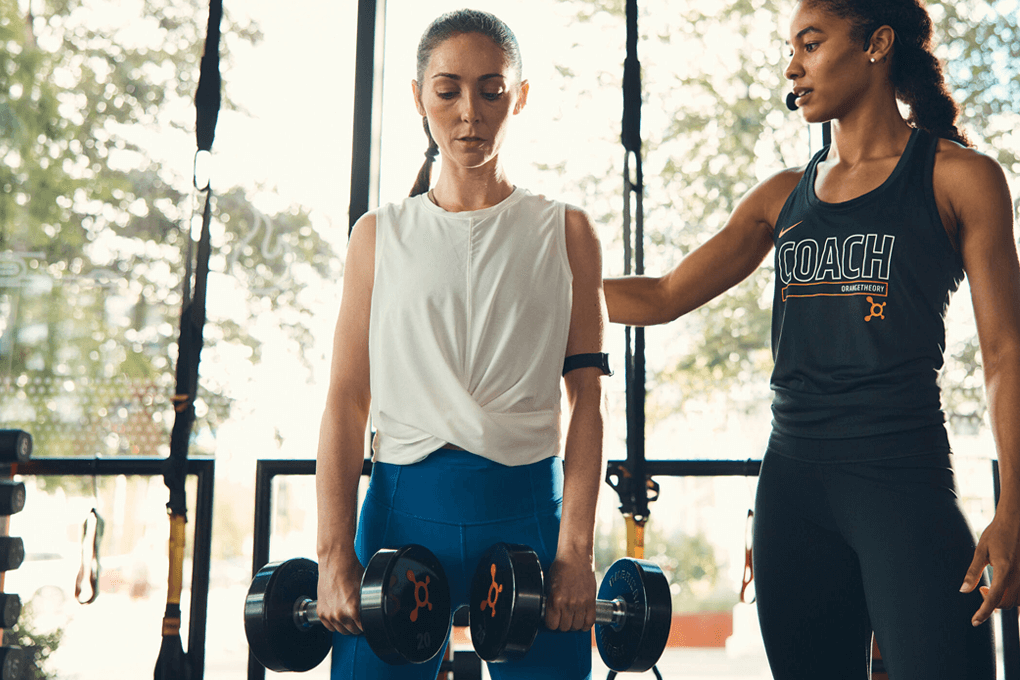
Starting a fitness journey can be both exciting and intimidating. With so many workout programs, routines, and exercises out there, it’s easy to feel overwhelmed—especially if you’re new to exercise. But the truth is, you don’t need to do anything extreme to get started. What matters most is building a solid foundation with simple, effective movements that improve strength, mobility, and confidence.
Here’s a guide to the best beginner-friendly exercises that are easy to learn, require little to no equipment, and can be done at your own pace—whether at home or in the gym.
1. Bodyweight Squats
What it works: Legs, glutes, core
Why it’s great: Squats are a functional movement you do every day—like sitting and standing. They build lower-body strength and improve mobility.
How to do it:
- Stand with feet shoulder-width apart
- Keep chest lifted and back straight
- Lower your hips down and back like you’re sitting in a chair
- Push through your heels to return to standing
Start with 10–12 reps for 2–3 sets.
2. Wall Push-Ups
What it works: Chest, shoulders, arms, core
Why it’s great: Regular push-ups can be tough at first, but wall push-ups are a perfect way to build upper body strength without strain.
How to do it:
- Stand facing a wall, arms extended, hands flat on the wall
- Step back slightly and lower your body toward the wall, keeping your body in a straight line
- Push back to the starting position
Start with 10 reps for 2 sets, and move to incline or regular push-ups as you get stronger.
3. Glute Bridges
What it works: Glutes, hamstrings, lower back
Why it’s great: This beginner move strengthens your hips and lower back, which are often weak from sitting too much.
How to do it:
- Lie on your back, knees bent, feet flat on the floor
- Engage your core and lift your hips until your body forms a straight line from shoulders to knees
- Lower down with control
Try 10–15 reps for 2–3 sets.
4. Step-Back Lunges
What it works: Quads, glutes, balance
Why it’s great: Lunges help build leg strength and improve coordination. Stepping back instead of forward is gentler on the knees.
How to do it:
- Stand tall, then step one foot back and lower your back knee toward the floor
- Keep your front knee over your ankle
- Push off your back foot to return to standing
Start with 6–8 reps per leg for 2 sets.
5. Standing March or High Knees
What it works: Cardiovascular health, coordination
Why it’s great: This low-impact movement boosts your heart rate, gets your blood flowing, and warms up the whole body.
How to do it:
- Stand tall, lift one knee up toward your chest
- Lower and repeat on the other side
- Keep alternating in a controlled or fast pace, depending on your fitness level
Try 30 seconds of marching for 2–3 rounds.
6. Plank (Knees or Full)
What it works: Core, shoulders, back
Why it’s great: Planks are excellent for building core strength, which supports posture and protects against injury.
How to do it:
- Start on all fours, then lower onto your forearms
- Extend legs behind you (or keep knees down for a beginner version)
- Keep your body in a straight line and hold
Start with 15–30 seconds and build up over time.
7. Arm Circles
What it works: Shoulders, upper arms
Why it’s great: Simple and effective for loosening up the upper body, especially if you’re new to resistance training.
How to do it:
- Extend arms out to the sides at shoulder height
- Make small circles forward for 30 seconds, then backward
Repeat 2–3 rounds to warm up or finish a workout.
Tips for Beginners
- Start slow: You don’t need to do everything at once. Focus on learning proper form before increasing reps or time.
- Be consistent: Aim for 3–4 short sessions a week. Even 15 minutes a day can make a difference.
- Listen to your body: Some soreness is normal, but sharp pain is not. Rest and recover when needed.
- Track your progress: Keep a simple journal or notes to stay motivated and see how far you’ve come.
- Stay patient: Fitness is a journey, not a race. Results come with time and consistency.
Conclusion
Beginning your fitness journey doesn’t have to be complicated. By mastering these foundational exercises, you’ll build strength, confidence, and healthy habits that will support your long-term goals. Keep it simple, stay consistent, and most importantly—enjoy the process. Your body and mind will thank you.