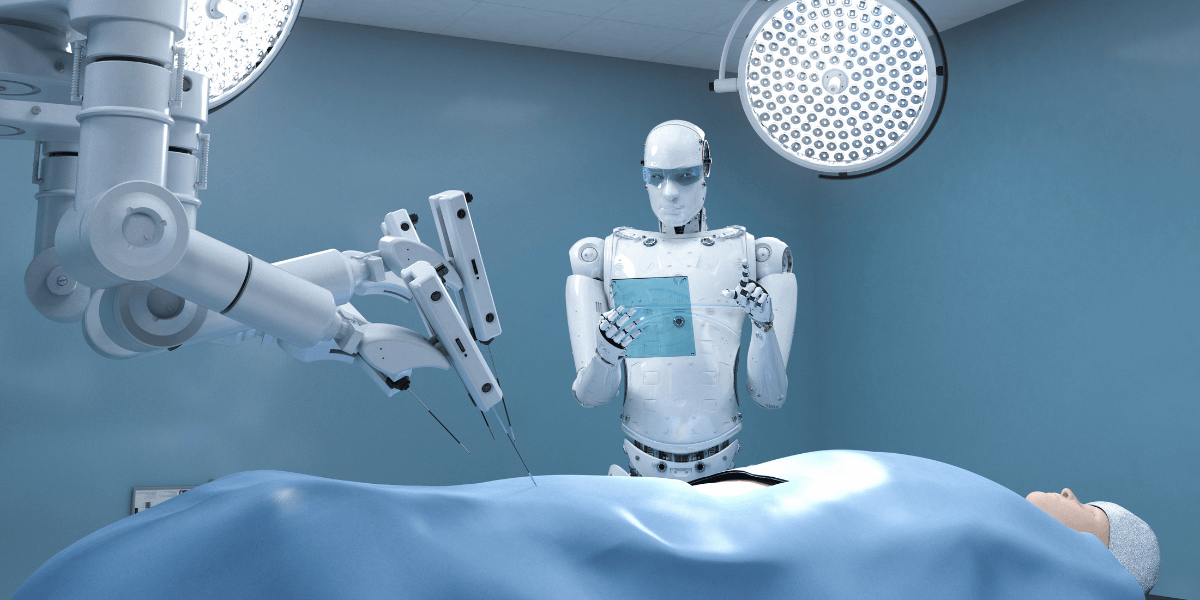
Artificial Intelligence (AI) is no longer a futuristic concept but a transformative force actively reshaping healthcare today. In 2025, AI’s role in medicine is expanding rapidly, offering new ways to diagnose, treat, and manage health with greater accuracy and efficiency. Here’s a look at how AI is revolutionizing the medical field and what the future holds.
AI-Enhanced Diagnostics
One of the most impactful uses of AI is in improving diagnostics. AI algorithms can analyze medical images such as X-rays, MRIs, and CT scans with incredible precision, often detecting diseases earlier than traditional methods. This advancement is crucial for timely interventions, especially in places with limited access to specialists. Early and accurate diagnosis can save lives and reduce healthcare costs.
Personalized Treatment Plans
AI helps create personalized treatment plans by analyzing vast amounts of patient data, including genetics and medical history. This allows doctors to tailor therapies to the individual’s unique profile, increasing the chances of success and reducing side effects. Personalized medicine means treatments are more effective and patient care is optimized.
Accelerating Drug Discovery
The pharmaceutical industry benefits from AI’s ability to predict how different compounds interact with the body. This technology speeds up the discovery and development of new drugs, reducing time and expense significantly. AI-driven drug discovery is helping to bring innovative treatments to market faster, particularly for diseases that previously had limited options.
Improving Healthcare Operations
Beyond clinical care, AI streamlines administrative and operational tasks within healthcare settings. From scheduling appointments to managing billing and patient flow, AI reduces the workload on staff, cuts down errors, and allows healthcare professionals to focus more on direct patient care. This efficiency enhances the overall quality of healthcare delivery.
Virtual Health Assistants
AI-powered virtual assistants are becoming a common feature in patient care. These digital helpers can manage appointment reminders, medication schedules, and provide health advice, improving patient engagement and adherence to treatment plans. They also offer support outside of clinic hours, increasing accessibility to healthcare information.
Ethical and Regulatory Challenges
As AI’s presence grows in healthcare, ensuring ethical use and patient safety is paramount. Developing clear regulatory frameworks to govern AI tools is necessary to maintain transparency, fairness, and accountability. Addressing privacy concerns and bias in AI algorithms is also critical to preserving trust in these technologies.
Education and Collaboration
To maximize AI’s benefits, healthcare professionals need proper training on these technologies. Partnerships between healthcare institutions and technology companies are essential to equip providers with the skills necessary for effective AI integration. This collaborative approach ensures AI tools are used responsibly and efficiently.
Looking Ahead
While AI offers incredible promise, challenges remain, including concerns over data privacy, the need for ongoing oversight, and avoiding over-reliance on machines. The future of medicine will require balancing innovation with caution, combining human expertise with AI capabilities to deliver the best patient outcomes.
Conclusion
AI is fundamentally changing medicine by enhancing diagnostic precision, enabling personalized care, speeding up drug development, and improving healthcare operations. Its thoughtful integration into the healthcare system holds great potential to improve patient outcomes worldwide. As AI continues to evolve, ongoing collaboration, ethical vigilance, and education will be key to harnessing its full benefits in the future of healthcare.